Registered Nurse Leopard
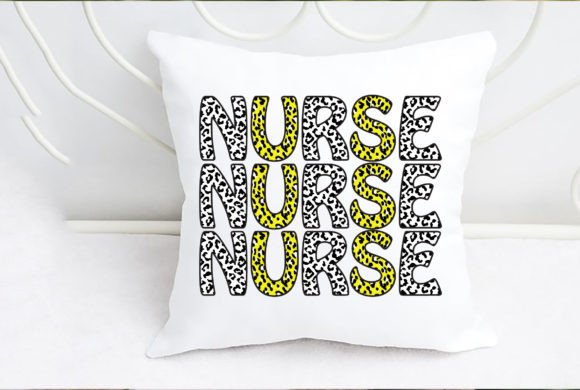
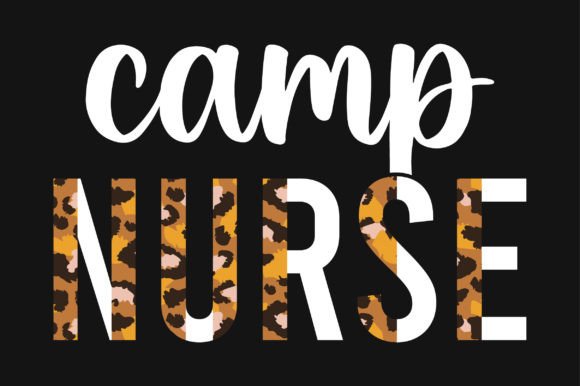
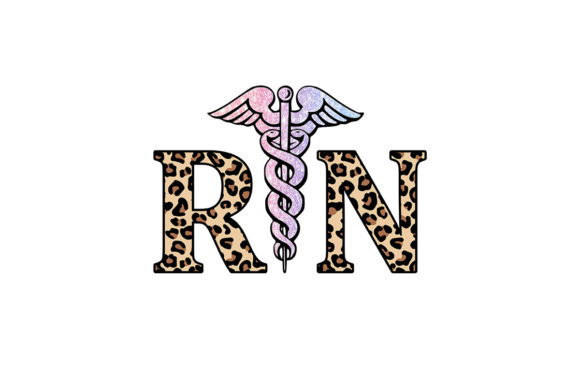
As a designer who’s worked with countless embroidery files, I always start by evaluating the mood and visual personality of a design before considering its practical use. Registered Nurse Leopard is a bold, eye-catching design that immediately communicates professionalism, creativity, and a touch of whimsy. The leopard print pattern is stylized, not overly realistic, which makes it versatile for a range of projects. Its layout is clean, with a strong central focus that works well in both large and small formats.
First Impressions and Design Personality
The first thing that stands out about Registered Nurse Leopard is its confidence. It’s not a subtle design—it demands attention. The leopard spots are evenly distributed, creating a balanced composition that feels intentional rather than chaotic. This makes it ideal for projects where the design needs to be visible from a distance, like tote bags or sweatshirts. The overall aesthetic is modern and slightly edgy, which could appeal to a wide audience, especially those looking for unique, personalized gifts or custom apparel.
The design’s structure suggests it would work best as an applique or satin stitch piece. The detail level is sufficient for a digital embroidery file, but it’s not so intricate that it would overwhelm smaller hoop sizes. That said, it’s important to consider how the design will translate to different fabrics and stitching techniques.
Real-Life Embroidery Scenarios
Imagine you’re preparing a custom embroidered tote bag for a local hospital gift shop. Registered Nurse Leopard could be a great fit—its bold look would stand out on a canvas tote, making it a memorable item for nurses or healthcare professionals. It also has potential as a sweatshirt embroidery, especially for a boutique clothing line or a small business selling branded merchandise.
For baby items, like onesies or blankets, the design might be a bit too intense. However, if scaled down or paired with softer colors, it could still work as a playful, personalized gift. As an embroidered patch, it could add a stylish touch to jackets, backpacks, or even pet accessories.
When used on caps or hats, the design’s shape needs careful consideration. Curved surfaces can sometimes distort the look of a design, so testing it on a mockup is essential. Similarly, on thin or stretchy fabrics, the stitches may not hold as well, so using the right stabilizer is crucial.
Where to Use With Caution
Registered Nurse Leopard isn’t a one-size-fits-all design. On small hoop sizes, the detail might get lost, especially if the design is not optimized for that format. If you're working with textured fabrics, such as fleece or corduroy, the stitching might not lay flat, affecting the finished appearance.
On dark fabrics, the design’s contrast could be an issue unless the thread color is carefully chosen. For example, a white or light-colored thread on a black background might not show up as intended. Likewise, on layered garments or curved surfaces, the design might require additional adjustments to ensure it looks its best after stitching.
Dense stitch areas can cause puckering or distortion, especially on delicate materials. If the design includes tiny lettering or decorative accents, those elements need to be checked for clarity and legibility after stitching.
Impact on Visual Appeal and Product Value
Registered Nurse Leopard has the potential to elevate the visual appeal of any project it’s used on. Its striking look can make a handmade product stand out in a crowded market, whether it’s an Etsy listing or a craft fair booth. Customers often respond positively to designs that feel unique and well-crafted, which can increase the perceived value of the finished product.
From a branding perspective, this design could help reinforce a professional image, especially for businesses targeting healthcare workers, creative entrepreneurs, or fashion-forward customers. It also adds a sense of personality to personalized gifts, making them more meaningful and memorable.
However, the success of the design depends largely on how it’s executed. Poor stitching, incorrect thread colors, or improper stabilization can all detract from its impact. As a designer, I always recommend testing the design on scrap fabric before committing to a full project.
Practical Designer Notes
Before using Registered Nurse Leopard in your own projects, here are a few key considerations:
- Test the design on different fabric types to see how it stitches and lays.
- Check thread color contrast against the fabric background to ensure visibility.
- Review the stitch density to avoid issues with puckering or distortion.
- Confirm the hoop size required for the design to ensure compatibility with your machine.
- Inspect small details, like corners and edges, to ensure they remain sharp after stitching.
- Try the design in black and white mockups to assess its versatility.
- Compare how it looks on light and dark fabrics to determine the best applications.
- Use the proper stabilizer for the fabric type to maintain stitch quality.
- Ensure the design is suitable for both personal and commercial use, and confirm licensing terms if selling finished items or digital products.
Final Thoughts
Registered Nurse Leopard is a design that offers both style and functionality. It’s well-suited for a variety of embroidery projects, from custom apparel to personalized gifts, and it has the potential to enhance the value and appeal of handmade products. However, its success depends on thoughtful execution and careful consideration of fabric, thread, and stitch parameters.
Whether you’re an Etsy seller, a small shop owner, or a hobbyist, this design could be a valuable addition to your collection of digital embroidery files. Just remember to test it thoroughly and tailor it to the specific needs of your project. With the right approach, Registered Nurse Leopard can become a standout piece in your portfolio or product lineup.